Voice cloning can save hours. It can also cross ethical lines fast if consent, disclosure, and control are treated like afterthoughts.
Learning how to clone your voice for AI video should start with ownership and permission, not software. If it is your voice, set boundaries for where it can be used. If it is someone else’s voice, get explicit consent. The production benefit is real, but so is the risk.
Start with the use case, not the cloning button
The lazy version is uploading a few seconds of audio, hitting clone, and dropping the synthetic voice into whatever you generate next. That usually gives you a voice that mispronounces your own brand name, rushes through numbers, and flattens emotion across every script.
The useful version starts with what the cloned voice actually has to narrate. Are these short product explainers, long training modules, localized cuts, or avatar talking-heads? Once that is clear, you can record samples that match that delivery, build a pronunciation list for the terms those videos repeat, and define exactly where the clone is allowed to appear.
Settle the consent and scope brief before you record
Before you capture a single sample, write down who owns the voice and where the clone may legally appear. If you skip this, you bake permission gaps into a synthetic voice that will repeat them across every future video.
- Owner: is this your voice, or someone else's that needs written, scoped permission?
- Use cases: which video types is the clone approved for — your channel, training, product explainers, internal content?
- Disclosure: where do the platform, law, contract, or audience expect you to flag synthetic voice use?
- Pronunciation: which names, brand terms, and technical words must be captured correctly in your test script?
Write a test script that exposes the clone's weak spots
A clone that sounds perfect reading a calm marketing sentence can fall apart on a phone number, a foreign name, or a line that needs real urgency. Listeners forgive a lot, but a swallowed brand name or a botched price kills trust instantly, so your first job is to find those failure points on purpose.
A usable test script should force the cloned voice to handle everything your real videos will throw at it. Read it aloud once yourself, then have the clone read the same lines, and compare them side by side.
Test script for the cloned voice:
- A sentence with two numbers and a price (e.g. "Plans start at $29 for 1,200 minutes").
- A sentence with a brand name and a technical term you say often.
- A warm, energetic line, then a serious or legal-sounding line.
- A long sentence with a mid-clause pause, to check pacing and breath.
Capture the full emotional range before you clone
A flat, single-tone sample produces a flat, single-tone clone. The quickest way to get a wooden voice is to record yourself reading one neutral paragraph and expecting the model to invent warmth, urgency, or seriousness later.
Capture a spread of deliveries in one clean session: a neutral explainer tone, a warm and conversational tone, an energetic ad-style read, and a calm serious tone for legal or safety lines. The wider the emotional range in your source audio, the more the clone can match the script instead of forcing every video into the same monotone.
Edit the cloned audio, do not just accept the render
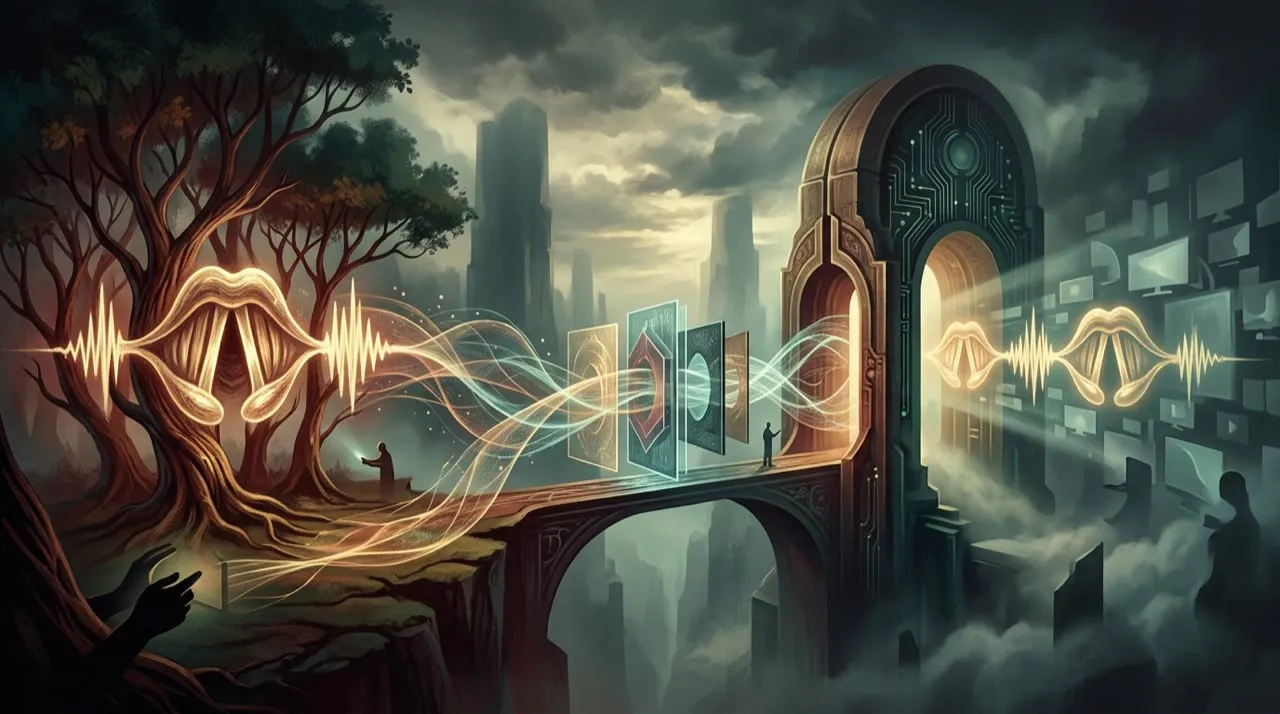
A clone that technically renders is not the same as narration that ships. Fix mispronounced names, smooth rushed numbers, and re-time pauses that land in the wrong place. Cut breaths that sound mechanical, and re-generate any line where the emphasis falls on the wrong word.
The cleanest quality test is a blind one: play the cloned narration to someone who knows your real voice without telling them it is synthetic. If they flag awkward pacing, robotic pauses, or a word that sounds "off," the audio is not ready, no matter how fast it rendered.
Compare clone settings, not just one render
One sample set and one render is not a finished voice. Re-record cleaner samples, try a tighter mic distance, and test the clone against the same script with different stability and similarity settings. Then compare the takes for naturalness, pronunciation accuracy, and how well each handles your hardest lines.
A cloned voice's advantage is that you can regenerate any line for free. Use that to fix the specific words and pauses that sound wrong, instead of settling for the first version because it was fast.
The consent rule
Clone your own voice or a voice you have explicit permission to use. Anything else is a liability. Do not clone clients, celebrities, employees, patients, or customers without written approval and clear usage scope.
Recording checklist
- Record in a quiet room.
- Use a decent microphone, not a laptop mic if avoidable.
- Read naturally, not theatrically.
- Capture multiple emotions: neutral, warm, energetic, serious.
- Avoid music, echo, and background noise.
- Keep pronunciation notes for names, brands, and technical terms.
A practical clone your voice for AI video workflow
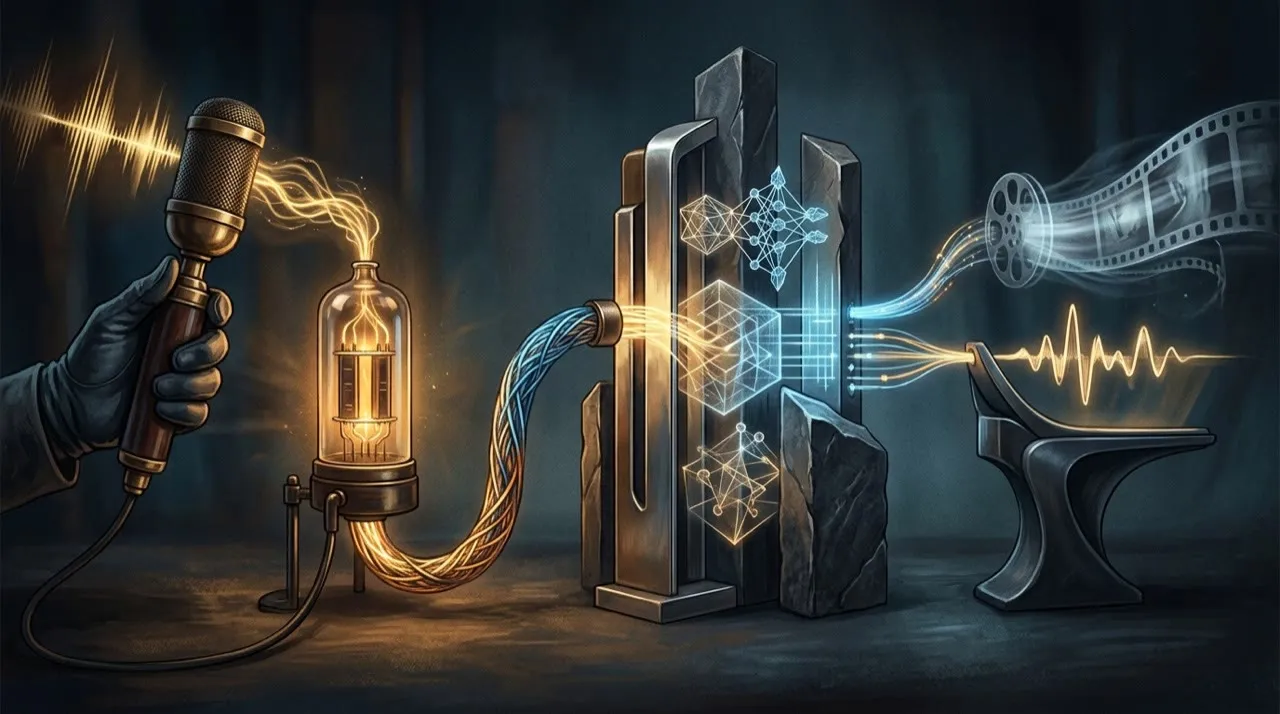
Start with one approved voice and one narration use case. Not a library of cloned voices. Not a vague "we'll voice everything with AI." One voice, one clear scope.
Document consent and usage scope first, then write a test script that includes numbers, names, brand terms, and emotional range. Record clean samples at a consistent mic distance, capturing each tone you need. Build the clone, run it against the test script, and listen for mispronunciations and robotic pacing. Fix the pronunciation list, re-generate the weak lines, then run a disclosure and scope check before anything publishes.
This is the order that keeps a clone safe and usable:
- Consent
- Scope
- Test script
- Quiet room
- Multi-tone samples
- Clone
- Pronunciation review
- Re-generate weak lines
- Disclosure check
- Publish
Most people rush straight into cloning before they have settled consent, clean source audio, and a pronunciation list. That feels faster, but it bakes in problems the synthetic voice will repeat forever.
The pre-publish voice check
Before publishing a video with a cloned voice, check it against these questions:
- Do you have documented consent for this voice and this use case?
- Are names, brand terms, and numbers pronounced correctly throughout?
- Does the delivery sound natural, or robotic in pacing, emphasis, and pauses?
- Have you disclosed synthetic or cloned voice use where the platform, law, contract, or audience expects it?
- Is the clone limited to the approved scope, with nothing edited in that the voice owner did not agree to?
If the answer is no, do not publish just because the audio rendered. Voice cloning can make narration cheaper. It cannot make a missing permission or a misheard claim harmless.
Decision matrix
Use this matrix to pick the right voice-cloning approach before you commit to one:
| Need | Prioritize |
|---|---|
| Your own channel narration | Sample quality, emotional range, easy re-generation of weak lines |
| Client or actor voices | Written consent, scope limits, audit trail, revocation controls |
| Training and explainers | Pronunciation dictionary, stable pacing, long-script consistency |
| Localized cuts | Multilingual support, accent control, per-language pronunciation lists |
| Avatar talking-heads | Tight lip-sync, clean pauses, voice paired to the right avatar |
| Public or regulated content | Disclosure tooling, usage logging, clear terms on commercial use |
If a tool cannot keep the clone limited to the use case you actually approved, it is the wrong tool no matter how lifelike the demo sample sounds.
The hidden cost: unusable narration
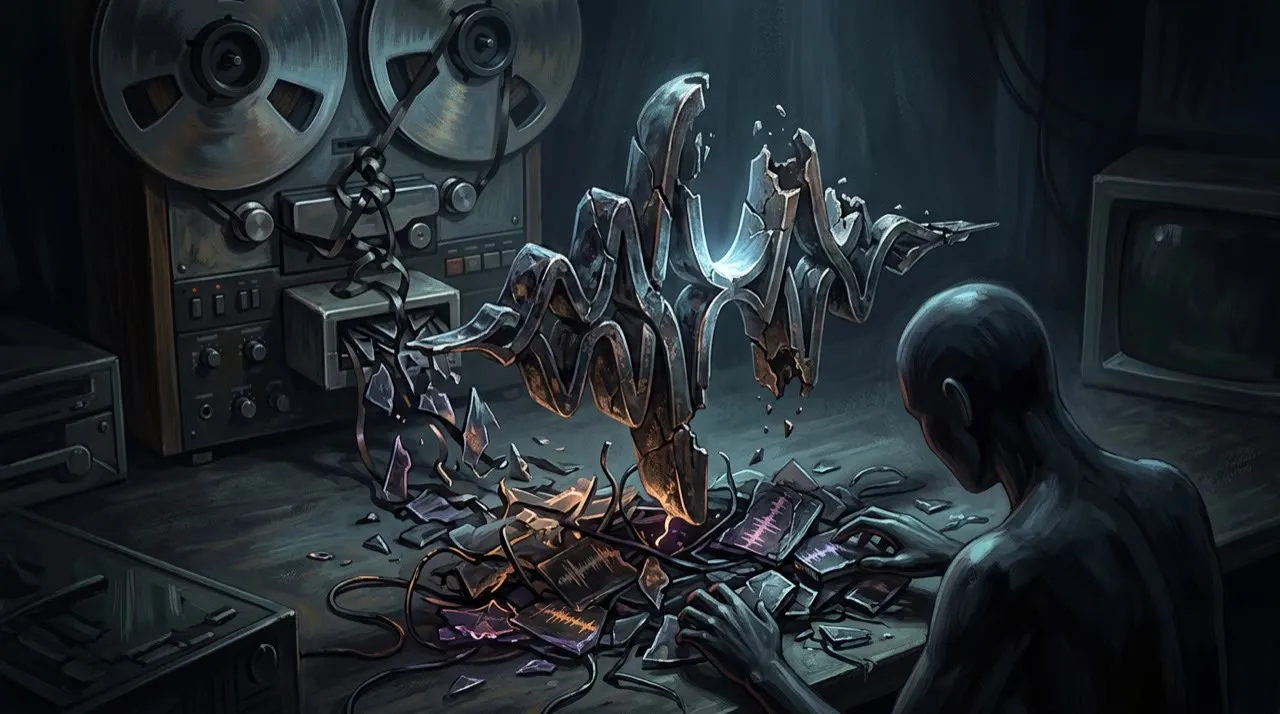
Voice-cloning cost is not only the subscription. The real cost is narration you can actually ship.
If a tool clones in seconds but every script needs five re-records to fix mispronounced names and rushed numbers, the economics are worse than they look. Track failed lines, pronunciation fixes, manual re-timing, and renders you scrap because the emphasis is wrong. That tells you whether a clone is genuinely cheaper than re-recording yourself, or just faster to start.
A safe voice-cloning workflow
Record clean samples in a quiet room. Use a consistent microphone distance, natural pacing, and scripts that include the emotional range you need. Keep the clone limited to approved use cases: your channel, your training videos, your product explainers, or your internal content.
Then create a review step. Listen for mispronunciations, awkward emphasis, and sentences that sound too polished. A cloned voice still needs editing. The goal is not to make the audience wonder whether it is real. The goal is to make approved narration easier to produce.
Where Vivideo fits in a voice-cloning workflow
Once you have an approved voice, Vivideo lets you put it to work without juggling separate tools. Its AI voices sit alongside avatars and brand kits, so cloned or synthetic narration can drive a talking-head clip, an explainer, or a localized cut from the same project. From there you can plan and build the video through the agentic AI chat, spin up quick drafts with one-prompt generation, or take manual control of the edit, and reach the whole pipeline through templates and API/CLI/MCP access when you need to produce voiced videos at scale.
Voice cloning for AI video: the permission check
Voice cloning should start with consent, not settings. If the voice is yours, document that you created and control the clone. If the voice belongs to an employee, contractor, customer, actor, or creator, get written permission that explains where the cloned voice may be used, for how long, and whether it can be used commercially.
Then build a test script before cloning at scale. Include numbers, names, brand terms, a sentence with emotion, and a sentence with legal or safety language. Listen for the problems that matter in real videos: rushed pacing, strange emphasis, swallowed endings, robotic pauses, and mispronounced terms.
A good clone saves time only if it stays editable. Keep a pronunciation dictionary, approved tone examples, and a list of words that need manual review. For public content, disclose synthetic or cloned voice use when the platform, law, contract, or audience expectation requires it.
Conclusion
Cloning your voice for AI video works best when it is built on documented consent, clean source audio, and a clear sense of where the synthetic voice is allowed to appear. The technology can remove the bottleneck of re-recording narration, but it cannot grant permission you do not have or fix a claim it never heard correctly.
Use this guide as a checklist: settle consent and scope, record multi-tone samples in a quiet room, test the clone against numbers and names, edit out mispronunciations and robotic pacing, and disclose synthetic voice use where it is expected. That is how a cloned voice becomes a reliable production tool instead of a liability.
If you want one place to put an approved voice to work alongside avatars, brand kits, and the agentic AI chat, you can plan and produce voiced videos at vivideo.ai.