Here's how to make a recipe video without filming in the kitchen: paste your recipe, upload ingredient photos, or describe the dish, and Vivideo's AI recipe video maker builds a mouth-watering, step-by-step recipe video — captioned, vertical and on the beat — across 30+ models, in minutes. Recipe videos are one of the most-saved formats on TikTok, Reels and Pinterest because people cook from them — but shooting overhead cooking footage is fiddly and slow. Generation lets every recipe become a shareable video.
Why recipe videos get saved
The recipe videos creators make most
The cooking formats viewers actually finish and bookmark — each a one-click preset in Vivideo.
Overhead step-by-step
The classic top-down tutorial: hands, board and pan in frame as the dish comes together, captioned at every step. The format that built food video, and still the most saved.
Quick 30-second recipe
Fast cuts, on-screen quantities, finished plate up top. Built for the scroll, where the whole recipe has to land before a thumb moves on.
ASMR cooking
Real sizzle, chop and crunch over clean overhead shots — no voice-over, no music. Quiet, sensory and weirdly addictive, and a top-performing style on every platform.
Creator-led recipe
You on camera, talking through the dish like a friend in the kitchen. The personable style that turns a one-off viewer into a returning subscriber.
Restaurant & menu teaser
A glossy, mouth-watering close-up of a signature plate, branded and captioned — the dish reel that fills tables and drives delivery orders.
Story & origin
The grandmother's recipe, the regional twist, the why behind the dish — narrative cooking content earns the comments, shares and tags algorithms reward.
How to make a recipe video with Vivideo
Drop in your recipe
Paste the ingredient list and steps, and add a few photos of the dish — or upload phone clips of the cook. No overhead rig required.
Pick a style & voice
Choose an overhead tutorial, a 30-second reel or an ASMR cut, add a narrator or your own cloned voice, and apply your brand kit.
Vivideo assembles it
Scenes, motion, ingredient overlays, captions, sizzle and pacing are built automatically across 30+ models.
Publish everywhere
Export 9:16 for Reels, TikTok and Shorts, 1:1 for the feed and Pinterest, 16:9 for YouTube — all from one render.
Post it where people cook — at the right spec
Vivideo renders each recipe clip to the exact format its platform rewards.
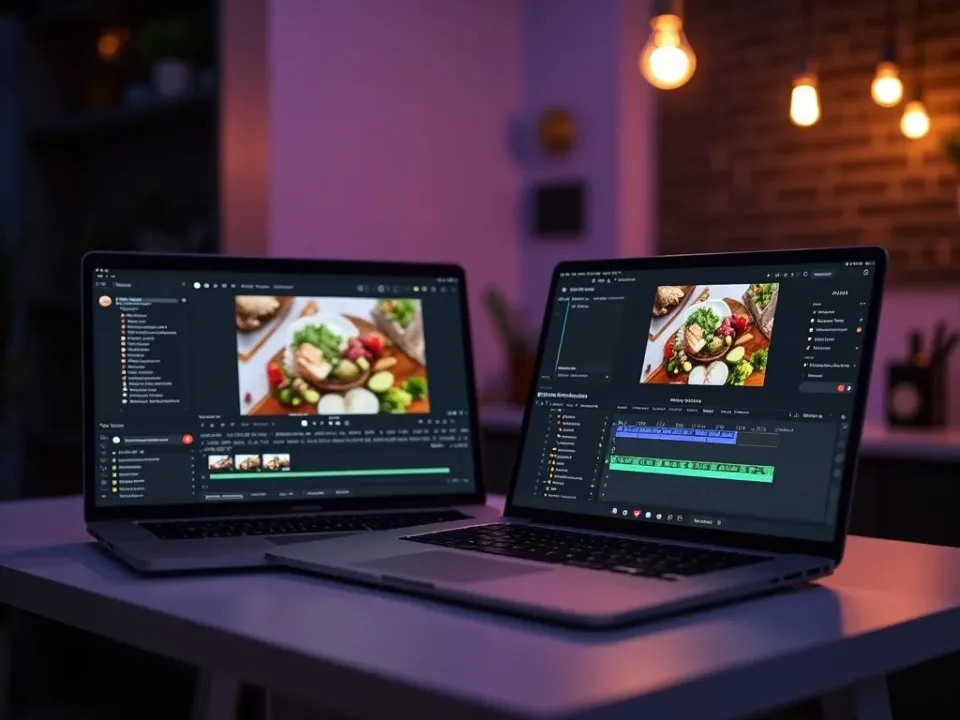
Make a Recipe Video From a Recipe
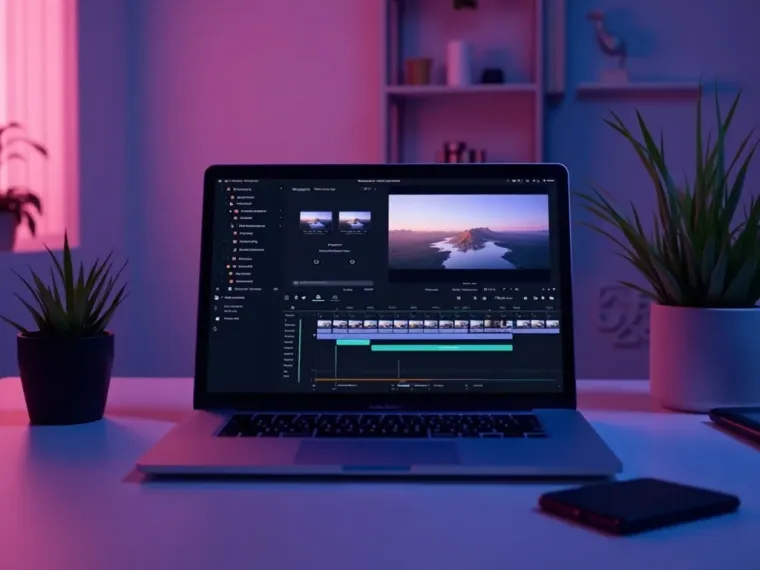
Vivideo's AI recipe video maker turns a recipe or ingredient photos into a mouth-watering, step-by-step video — captioned and vertical — and the same screen lets you edit it. Make recipe videos without an overhead rig or a kitchen shoot.
Every recipe in your collection becomes a shareable, save-worthy video.
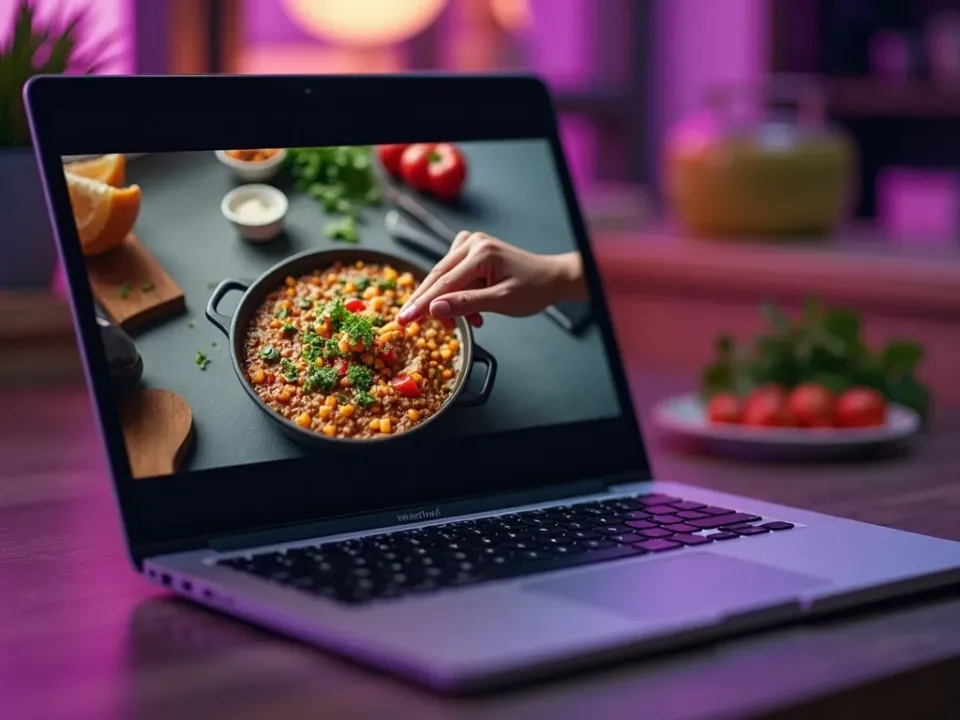
Clear Steps, Made to Be Saved
A recipe video has to show each step clearly and read on mute — the answer to "how do I make a recipe video people cook from." The maker builds the step sequence with on-screen ingredients and captions, timed to music.
Appetizing pacing and clear steps that make people save and cook it.
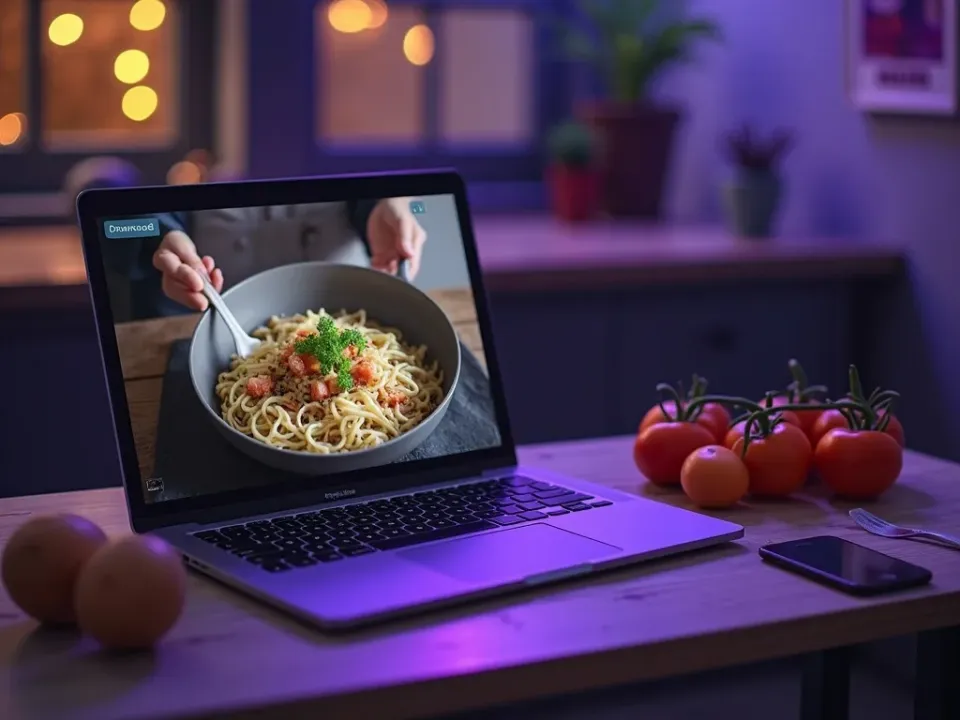
Evergreen and Everywhere
Recipe content surfaces in search and gets re-saved for months, especially on Pinterest — build a searchable library, export vertical for every platform, and localize into 30 languages.
A recipe channel that keeps driving saves and follows long after you post.
Everything the Recipe Video Maker Includes
One place to turn recipes into step-by-step, captioned cooking videos.
Who Makes AI Recipe Videos?
Everyone sharing food:
One Free Studio Behind Every Tool
Scriptwriter, camera crew, editor, voice actor, translator — this studio plays every role for the price of none of them.
More Ways to Share Food on Video

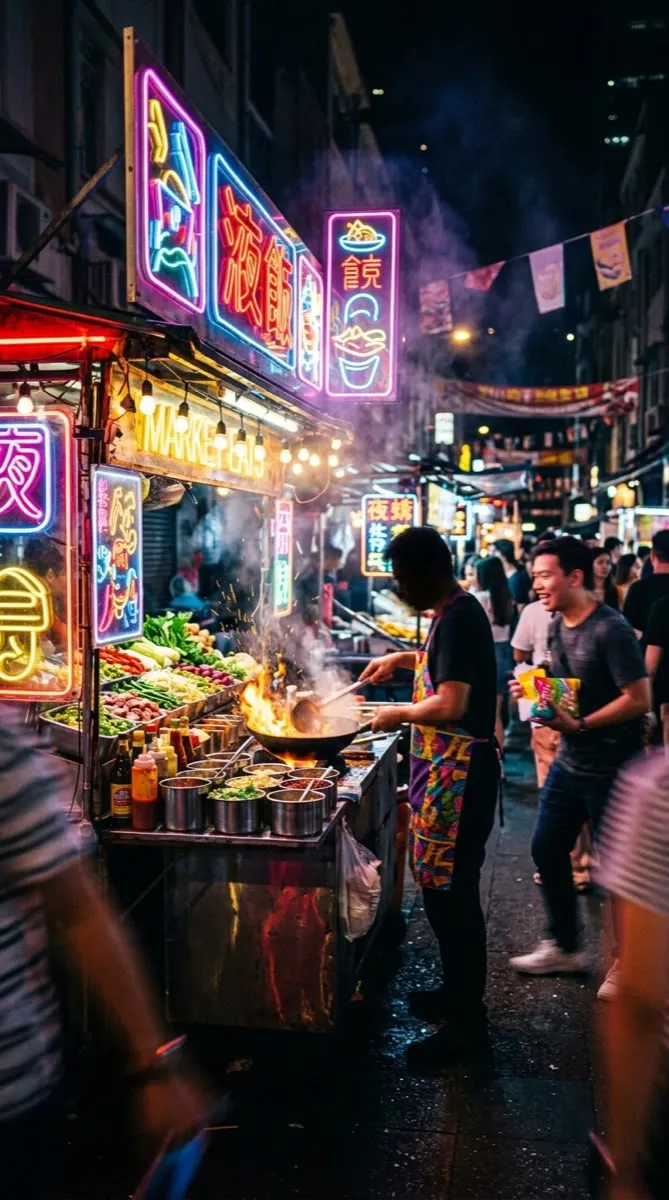





See the Recipe Video Maker in Action
Watch a recipe become a step-by-step cooking video — then make your own free on Vivideo.
How to make a recipe video with AI, explained
Recipe videos are among the most-saved and most-shared content on TikTok, Reels and Pinterest — people literally cook from them, so they get bookmarked and revisited. But producing them the usual way means an overhead rig, good lighting and careful editing of each step, which is fiddly enough that most home cooks and food brands never start. An AI recipe video maker changes that: a recipe or a few ingredient photos become a step-by-step, captioned recipe video in minutes.
The craft is clarity and appetite appeal. A recipe video has to show each step clearly, hit the satisfying moments, and read on mute — so Vivideo builds the step sequence with on-screen ingredients and instructions, appetizing pacing and captions, timed to music. Whether it's a quick 30-second hook recipe or a full method, the result makes people want to save and cook it.
Volume and search are where a recipe video maker earns its keep. Recipe content is evergreen — it surfaces in search and gets re-saved for months, especially on Pinterest — so generating means every recipe in your collection can become a video, building a searchable library that keeps driving saves and follows long after you post.
Put together, it's a way to turn a recipe collection into a video channel. Not the occasional filmed dish, but a captioned, step-by-step video for every recipe, sized for every platform and localized for every kitchen. That coverage and craving-appeal is what compounds saves, follows and cooks.
Recipe video FAQ
How do I make a recipe video without filming?
Paste your recipe, upload ingredient photos, or describe the dish, and Vivideo's AI recipe video maker builds a step-by-step, captioned recipe video automatically across 30+ models — no overhead rig, no kitchen shoot.
Is the recipe video maker free?
Yes — you can make recipe videos free with daily generations, no credit card and no download. Paid tiers unlock watermark-free recipe video and generous limits.
Can I turn a written recipe into a video?
Yes — paste the recipe and the maker builds the step sequence with on-screen ingredients, instructions and appetizing pacing, captioned and timed to music.
What kinds of recipe videos can I make?
Quick hook recipes, full step-by-step methods, ingredient showcases and meal-prep videos — vertical and captioned, for TikTok, Reels and Pinterest.
Do the videos read on mute?
Yes — on-screen steps and captions are added by default, so people can follow the recipe without sound, the way most cook-along content is watched.
Can it stay on-brand for my food business?
Yes — apply your logo and colors, and every recipe video comes out consistent across your channel and profile.
Are recipe videos good for search?
Yes — recipe content is evergreen and gets re-saved for months, especially on Pinterest, so a library of recipe videos keeps driving saves and follows.
Can I localize a recipe video?
Yes — turn one recipe video into 30 languages with AI translation and dubbing, so your recipe reaches kitchens worldwide.