Here's how to make UGC video ads without hiring creators or shipping products: paste a product or a script, pick an AI UGC creator, and Vivideo's AI UGC video generator builds authentic creator-style ads — hooks, unboxings, demos and testimonials, captioned and vertical — across 30+ models, in minutes. UGC is the highest-converting ad format on TikTok and Reels because it feels like a real recommendation, but sourcing it at scale is slow and expensive. Generation lets you produce and test dozens of UGC ads for the price of one creator shoot.
Why UGC out-converts polished ads
The UGC videos brands make most
The creator formats that win in the feed — each one a one-click preset in Vivideo.
Talking-to-camera testimonial
An AI creator looks down the lens and tells the story of using your product — honest, conversational, eye-level. The single highest-engagement UGC format there is.
Unboxing & first impression
The package, the reveal, the reaction. That hands-on "opening it for the first time" moment is the most-watched discovery format on TikTok and Reels.
Problem → solution
Name a frustration in the first second, then show the fix. The classic direct-response structure and the most reliable UGC format for paid ads.
Get-ready-with-me
A casual, in-the-moment routine where the product slips in naturally — never pitched, just used. Feels like a friend, not a commercial.
Street-interview / POV
Person-on-the-street reactions and overheard opinions that borrow the credibility of a real crowd — punchy, candid and instantly social-native.
Before & after
Visual proof of the result, cut tight. The most saved and shared UGC there is, because the payoff does the persuading for you.
How to make a UGC video with Vivideo
Describe the product & angle
Drop a product photo, your link or a few details, and pick the UGC style you want — testimonial, unboxing, problem-solution and more.
Choose a creator & voice
Pick an AI creator that fits your audience, add a script or your own cloned voice, and apply your brand kit for a consistent look.
Vivideo generates it
Hook, captions, raw handheld feel, b-roll and pacing are assembled automatically across 30+ models — generate several variations to test.
Publish everywhere
Export 9:16 for TikTok, Reels and Shorts, plus 1:1 and 16:9 for feeds and YouTube — all from a single render.
Built to look native in the feed
Vivideo's AI UGC video generator renders every clip to the spec that platforms — and the algorithm — actually reward.
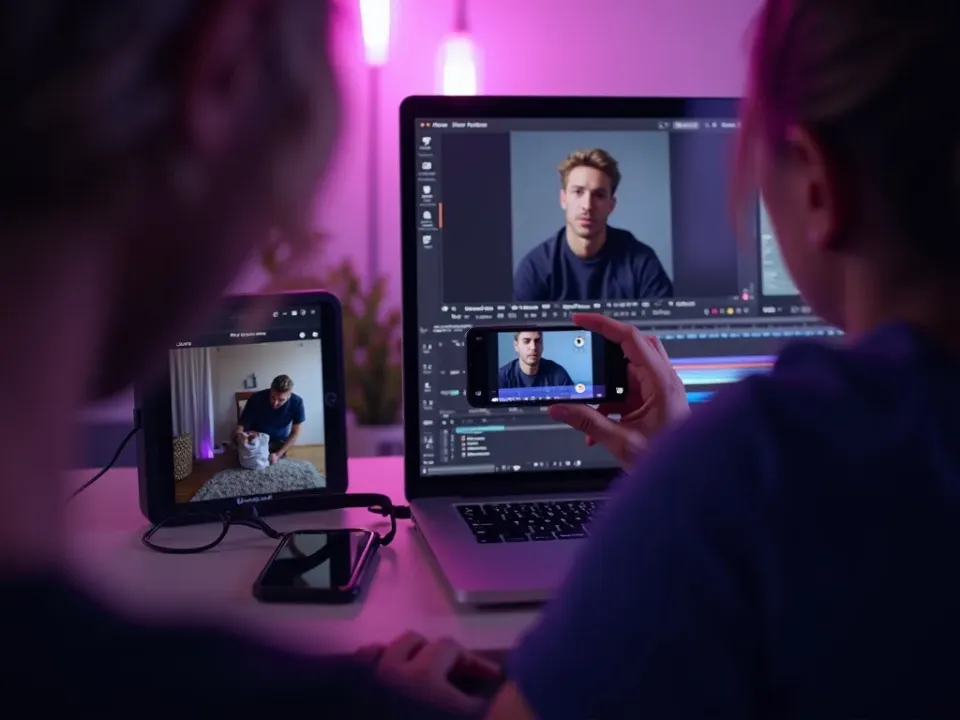
Make UGC Ads With AI Creators
Vivideo's AI UGC video generator turns a product or script into authentic creator-style ads with lifelike AI creators — captioned and vertical — and the same screen lets you edit them. Make UGC without hiring creators or shipping product.
Spin up ten hooks for one product, launch them all, and scale the winners.
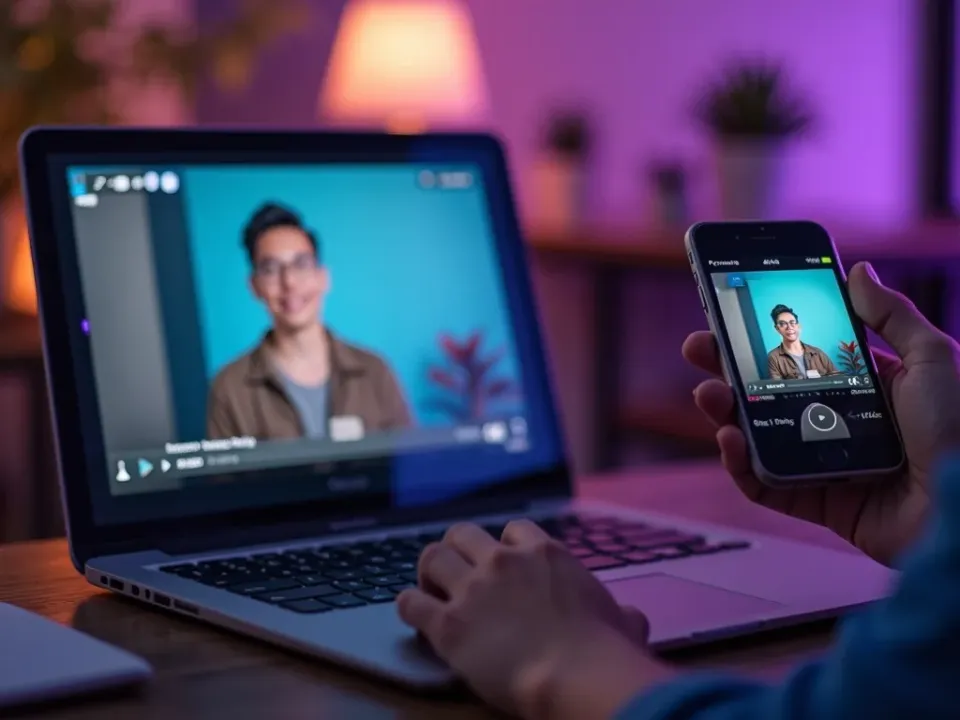
Authentic Enough to Convert
UGC converts because it reads as a real recommendation, not an ad — and the AI creators and phone-style framing are built for exactly that. The answer to "how do I make UGC ads that don't look like ads."
Output that looks like it came from a phone, not a studio.
A UGC Engine, Not a Creator Roster
Winners fatigue fast, so UGC advertising is a volume game. Generate dozens of angles, kill the losers, scale the winners, and localize into 30 languages — the testing velocity that keeps CPAs down.
Dozens of fresh UGC ads for the price of one creator shoot.
Everything the UGC Video Generator Includes
One place to make, test and scale creator-style UGC ads with AI creators.
Who Makes AI UGC Videos?
Everyone running paid social:
One Free Studio Behind Every Tool
The fastest path from an idea to a published video runs through the same studio this tool lives in.

More Ways to Make Ads That Convert




See the UGC Video Generator in Action
Watch a product become an authentic creator-style UGC ad — then make your own free on Vivideo.
How to make UGC videos with AI, explained
UGC — user-generated-style content — is the highest-converting ad format on TikTok and Reels because it reads as a real person's recommendation, not an ad. But sourcing it means briefing creators, shipping product, waiting on delivery and paying per video, which caps how much you can test. An AI UGC video generator removes that friction: describe the product and hook, pick an AI creator, and get an authentic-feeling UGC ad in minutes — so you can test dozens of angles for the price of one shoot.
The craft is nailing the formats that convert. A hook-led testimonial, a problem-solution demo, an unboxing reaction, a 'get ready with me' and a street-style review all read as native UGC. Vivideo generates each with a lifelike AI creator, burned-in captions and vertical framing, so the output looks like it came from a phone, not a studio — which is exactly why it performs.
Volume is the whole point of UGC advertising: winners fatigue fast, so you need a constant stream of fresh angles. Generating means you spin up ten hooks for one product, launch them all, kill the losers and scale the winners — the testing velocity that keeps CPAs down. And because it's all AI, there's no waiting on creators or reshooting when the offer changes.
Put together, it's a way to run a UGC ad engine without a roster of creators. Not two influencer videos a month, but a testing pipeline of dozens of creator-style ads, refreshed constantly and localized into every market. That volume and authenticity is what compounds ROAS on paid social.
AI UGC video FAQ
How do I make a UGC video without hiring creators?
Paste a product or a script, pick an AI UGC creator, and Vivideo's AI UGC video generator builds an authentic creator-style ad automatically across 30+ models — no creators to hire, no product to ship, no shoot to wait on.
Is the UGC video maker free?
Yes — you can make UGC videos free with daily generations, no credit card and no download. Watermark-free UGC ad exports and higher limits come with an affordable plan.
What UGC formats can I make?
Hook-led testimonials, problem-solution demos, unboxing reactions, 'get ready with me' clips and street-style reviews — captioned and vertical, sized for TikTok and Reels.
Do the AI creators look authentic?
Yes — the AI avatars and phone-style framing are built to read as native UGC, not a studio ad, which is exactly why the format converts.
Can I test lots of UGC variants?
Yes — generate ten hooks for one product, launch them all, and scale the winners. That testing velocity is the whole advantage of an AI UGC generator.
Can I use my own script or hook?
Yes — paste your hook and script and the creator delivers it, or let the generator write angles for you to test.
Can it match my brand?
Yes — apply your logo and colors and add product footage, so the UGC ad stays on-brand while feeling native.
Can I localize UGC ads?
Yes — turn one UGC ad into 30 languages with AI translation and dubbing, so you scale winners into every market without reshooting.